Table of contents
A person born in the United States can expect to live 77.5 years, but only 66.1 years in full health, leaving an 11.4-year gap between lifespan and healthspan, according to TIME's summary of WHO and U.S. estimates. That gap changes the longevity conversation. The key question isn't just how long you'll live. It's how many of those years you'll remain physically capable, cognitively sharp, metabolically stable, and independent.
For a motivated patient, this is good news as much as bad. Bad, because modern medicine has become better at keeping people alive than keeping them well. Good, because healthspan is measurable. Once you treat it as a set of biological systems instead of a vague wellness aspiration, you can monitor it, manage it, and improve the odds that your later years stay functional rather than medicalized.
The Growing Divide Between Lifespan and Healthspan
A long life does not guarantee a functional one. Across countries, gains in life expectancy have outpaced gains in healthy years, leaving a sizable period in which many adults live with chronic disease, disability, or reduced independence, as documented by the World Health Organization's healthy life expectancy data).
That gap is the real clinical problem in longevity. It is the difference between reaching older age with preserved strength, mobility, cognition, and metabolic stability, versus reaching it with a growing list of diagnoses and a shrinking margin of resilience.

What the gap actually means
For patients, this shows up less as a single event and more as a sequence. First come subtle losses in aerobic capacity, glucose control, sleep quality, recovery, or muscle mass. Then the downstream conditions appear: hypertension, type 2 diabetes, osteoarthritis, atrial fibrillation, mild cognitive impairment, or frailty. By the time those diagnoses are obvious, the underlying biology has often been drifting for years.
That pattern helps explain a modern paradox. Health systems have become far better at preventing early death from infection, trauma, and acute cardiovascular events. The harder task is preserving function across decades. Research published in The Lancet Healthy Longevity argues that healthspan should be treated as a measurable outcome in its own right, not just as a side effect of living longer, because years added without maintained function create a high burden for both patients and health systems (The Lancet Healthy Longevity00077-1/fulltext)).
Why the U.S. is a warning case
The United States spends heavily on medical care yet continues to struggle with high rates of obesity, diabetes, cardiovascular disease, and multimorbidity. That combination produces a predictable result. More treatment. More survival after major illness. More years lived with disease burden.
The non-obvious conclusion is that longevity is not mainly a rescue problem. It is a control problem. If metabolic risk, body composition, blood pressure, cardiorespiratory fitness, sleep, and inflammatory load are allowed to drift for decades, medicine often keeps people alive without restoring a high-function state.
Averages can hide this. Two adults may share the same life expectancy while having very different trajectories of function.
The strategic takeaway
If your goal is a longer life that still feels usable, you need a better operating model than annual reassurance from a normal basic exam.
Track the variables that usually deteriorate before major disease becomes unmistakable. Measure blood pressure, apoB or LDL particle burden, glucose regulation, waist-to-height ratio, muscle mass, strength, aerobic fitness, sleep regularity, and recovery trends. Watch the direction, not just the latest value. Healthspan is best managed like any other engineering problem: define the system, monitor the leading indicators, intervene early, and reassess whether the trend is improving.
That shift changes the question from “How long will I live?” to “How many years am I likely to remain capable, independent, and low-risk?” For a patient serious about longevity, that is the metric worth managing.
Healthspan vs Lifespan A Fundamental Comparison
A long life and a healthy life overlap, but they are not the same outcome.
Lifespan is total survival time. Healthspan is the span of life lived with preserved function, low disease burden, and enough physical and cognitive capacity to stay independent. Lifespan answers a demographic question. Healthspan answers a clinical one.
That distinction changes what you measure.
Attribute | Lifespan | Healthspan |
|---|---|---|
What it measures | Total years lived | Years lived in good health |
Main goal | Quantity of life | Quality and function of life |
Main question | How long did you live? | How long did you remain capable and low-risk? |
Typical endpoint | Death | Persistent loss of function, independence, or major disease burden |
Best use | Population survival tracking | Individual risk management and prevention |
Clinical focus | Extending survival | Delaying dysfunction and compressing morbidity |

A vehicle comparison works here. Lifespan is total mileage before retirement. Healthspan is the interval when the engine still performs to spec, the brakes respond predictably, and routine maintenance is enough to keep it operating well. In humans, the equivalents are aerobic capacity, muscle strength, insulin sensitivity, blood pressure control, sleep quality, cognition, and freedom from frailty.
Two adults can both reach age 85 and still have opposite aging profiles. One may walk briskly, recover from training, maintain muscle, and manage medications sparingly. The other may spend the same decade with limited mobility, poor glycemic control, chronic pain, and frequent medical visits. Calendar age records both as survivors. Healthspan separates preserved function from prolonged decline.
A concise explainer helps reinforce the distinction:
Why the distinction matters clinically
The World Health Organization has reported a global gap between lifespan and healthy life expectancy of about a decade, with women often living longer but spending more years in poor health, as summarized in McKinsey Health Institute's analysis of the global healthspan-lifespan gap. That pattern matters because survival gains alone can hide a larger burden of disability, multimorbidity, and dependency.
For a patient, the practical implication is clear. Longevity planning should target the variables that determine function before they become reasons for treatment. That includes body composition, blood pressure, glucose regulation, lipid risk, cardiorespiratory fitness, strength, and sleep continuity. If those inputs stay favorable, the probability of extending healthy years rises. If they drift for years, medicine often preserves lifespan more effectively than healthspan.
This is why longevity works better as an engineering problem than a motivational slogan.
You are not trying to guess whether you will age well. You are trying to monitor whether the system is staying within a low-risk range. Tools like a biological age calculator that estimates your pace of aging from measurable inputs can be useful because they translate abstract longevity goals into trackable signals. Body composition data can sharpen that view, especially if you want accurate body fat for wellness journey decisions instead of relying on scale weight alone.
The more useful question
Once you separate healthspan from lifespan, the goal becomes more precise.
Ask:
How many years am I likely to stay strong, mobile, metabolically stable, and cognitively sharp?
Are my biomarkers improving, stable, or drifting?
Is my current routine preserving function, or only postponing disease?
That is the essential comparison. Lifespan measures how long the system runs. Healthspan measures how long it runs well.
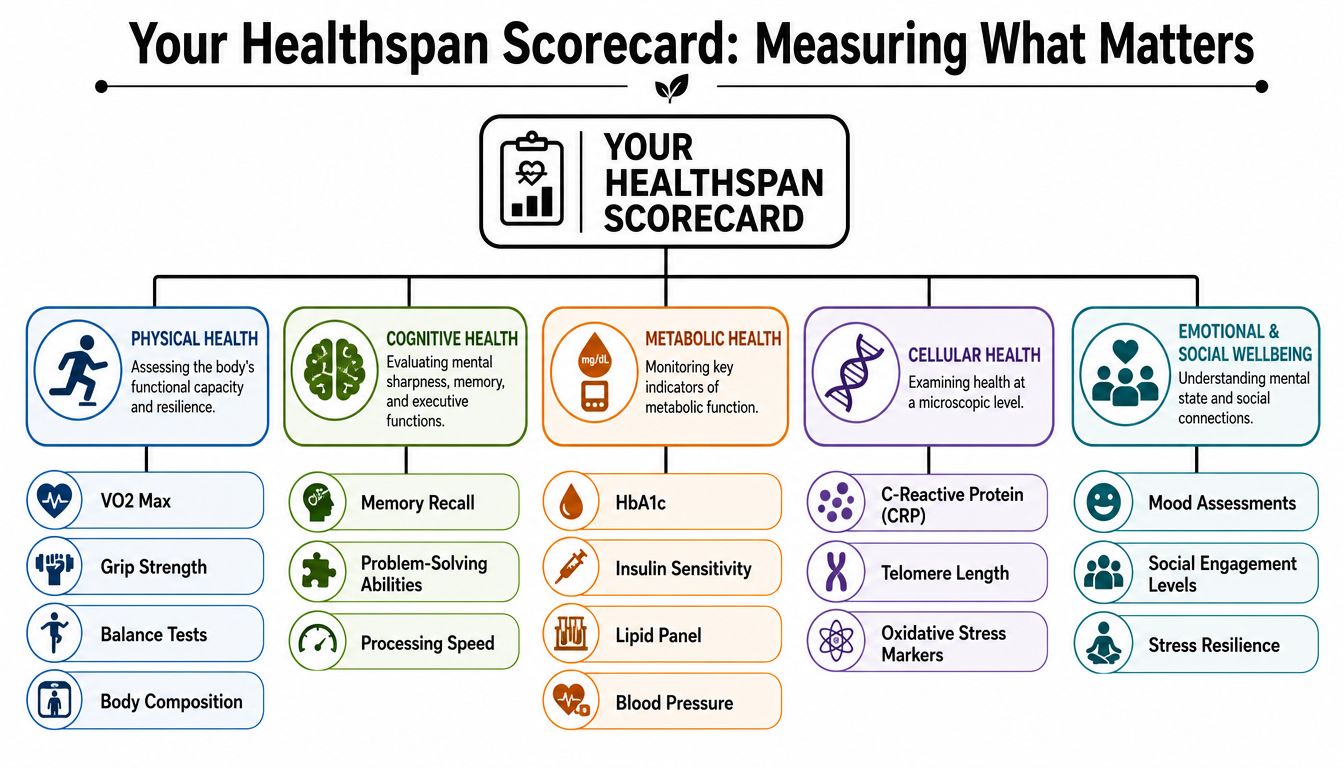
How to Measure What Matters Your Healthspan Scorecard
You can't manage healthspan with intuition alone. You need a scorecard.
The most useful biomarkers aren't exotic. The strongest anchors are the ones tied to cardiometabolic risk, metabolic function, and inflammation. According to MitoQ's summary of healthspan biomarkers, key predictors of extended healthspan include blood pressure, HDL cholesterol, blood sugar, insulin sensitivity, C-reactive protein, and HbA1C. The same source notes that maintaining healthy levels of these biomarkers is associated with compressed morbidity and delayed onset of major chronic disease.
The core biomarker domains
A strong personal scorecard usually starts with a few tightly connected systems.
Cardiovascular markers: Blood pressure and HDL cholesterol tell you whether the vascular environment is trending toward resilience or damage.
Metabolic markers: Blood sugar, insulin sensitivity, and HbA1C help reveal whether you're maintaining glucose control or drifting toward metabolic dysfunction.
Inflammatory signals: C-reactive protein adds context. It can show whether chronic inflammation raises long-term risk.
Body composition and distribution: Body weight alone is blunt. Fat distribution often matters more. If you want a practical overview of accurate body fat for wellness journey, DEXA-based measurement is a useful complement to standard biomarker tracking.
What each marker tells you
A good biomarker isn't valuable because it's interesting. It's valuable because it changes decisions.
Blood pressure is a leading systems marker. If it trends upward, your arteries, kidneys, brain, and heart all pay the price over time. HbA1C and fasting glucose give you a longer-view signal of glycemic control, while insulin sensitivity helps you understand whether your body is compensating well or overworking to keep glucose normal.
C-reactive protein is different. It doesn't diagnose a specific disease on its own, but it can tell you whether your physiology is running hot. In a longevity context, that matters because chronic low-grade inflammation often travels with cardiometabolic decline.
Build a usable baseline
Many don't need more health content. They need an organized baseline and a repeatable review cycle.
A useful first pass includes routine labs, blood pressure, body-composition data, and trend tracking over time. If you want a simple way to translate multiple inputs into a broader estimate of physiological aging, a biological age calculator can help frame the discussion, as long as you treat the result as a prompt for action rather than a verdict.
The point isn't to chase perfection. It's to move from “I think I'm healthy” to “I know which systems are strong, which are drifting, and which intervention should come first.”
Closing the Gap Evidence-Based Healthspan Interventions
Once you have a baseline, the practical question changes. The goal is no longer “How do I live healthier?” It becomes “Which intervention will move the biomarker, function, or symptom that is drifting first?”
That framing matters because the lifespan-healthspan gap is not theoretical. As noted earlier, many people now spend a meaningful portion of later life managing disease, disability, or reduced function rather than extending high-performance years. A useful longevity plan therefore has to do more than add healthy habits. It has to reduce the years spent with physiological decline.
Match the intervention to the dominant failure mode
Different biomarker patterns point to different priorities.
A person with rising fasting glucose, higher HbA1C, and increasing waist circumference usually needs a plan centered on energy balance, muscle-preserving weight loss, post-meal glucose control, and sleep regularity. A person with high blood pressure, lower aerobic capacity, and poor recovery may get more benefit from zone 2 training, sodium awareness, alcohol reduction, and a tighter sleep schedule. If hs-CRP is persistently high alongside poor body composition and low activity, the first target is often the underlying cardiometabolic load rather than inflammation in isolation.
The intervention categories are familiar. The sequencing is what changes outcomes.
Nutrition: Choose a dietary pattern you can sustain while improving objective markers such as glucose, triglycerides, blood pressure, body composition, or ApoB if you track it. Adherence matters, but measurable response matters more.
Exercise: Build both aerobic capacity and strength. Aerobic training improves cardiovascular efficiency and metabolic flexibility. Resistance training preserves lean mass, supports insulin sensitivity, and protects function with age.
Sleep: Poor sleep shifts appetite, glucose regulation, blood pressure, and recovery in the wrong direction. If metrics worsen despite good intentions elsewhere, sleep debt is often part of the explanation.
Stress regulation: Chronic stress changes behavior and physiology at the same time. It can raise blood pressure, impair recovery, worsen food choices, and make consistency harder.
Use intervention stacks, then test the response
Single habits rarely act alone. They work in clusters.
Better sleep often improves training quality. Better training can improve insulin sensitivity and resting blood pressure. Improved metabolic control often makes hunger easier to manage, which supports body composition. That creates a useful feedback loop, but only if you measure whether the loop is occurring in your body.
Healthspan then starts to look like an engineering problem. Pick the smallest set of interventions with the highest expected effect on your current risk pattern. Run them long enough to evaluate. Recheck the outputs. If fasting glucose falls but blood pressure does not, the next iteration should change the blood-pressure strategy rather than adding more generic wellness tasks.
Medication belongs in that same logic model. The right question is not which drug has the strongest reputation online. The right question is which therapy, if any, improves the specific markers and risk trajectory in front of you. For a grounded overview, this guide to medications discussed in longevity care is a useful starting point.
Define success before you start
A plan is easier to judge when the endpoints are explicit.
Success might mean lower home blood pressure over eight weeks, better CGM stability after dinner, a drop in resting heart rate with improved aerobic fitness, fewer awakenings per night, or improved strength relative to body weight. Those are operational targets. They let you separate effort from effect.
Feeling healthier is useful. Trend improvement is better. If biomarkers, function, and recovery are not moving in the right direction, the plan needs adjustment rather than more enthusiasm.
Beyond Generic Advice The Power of Personalized Data
Most longevity advice breaks down at the same point. It tells people what usually helps, but it doesn't show whether it's helping them.
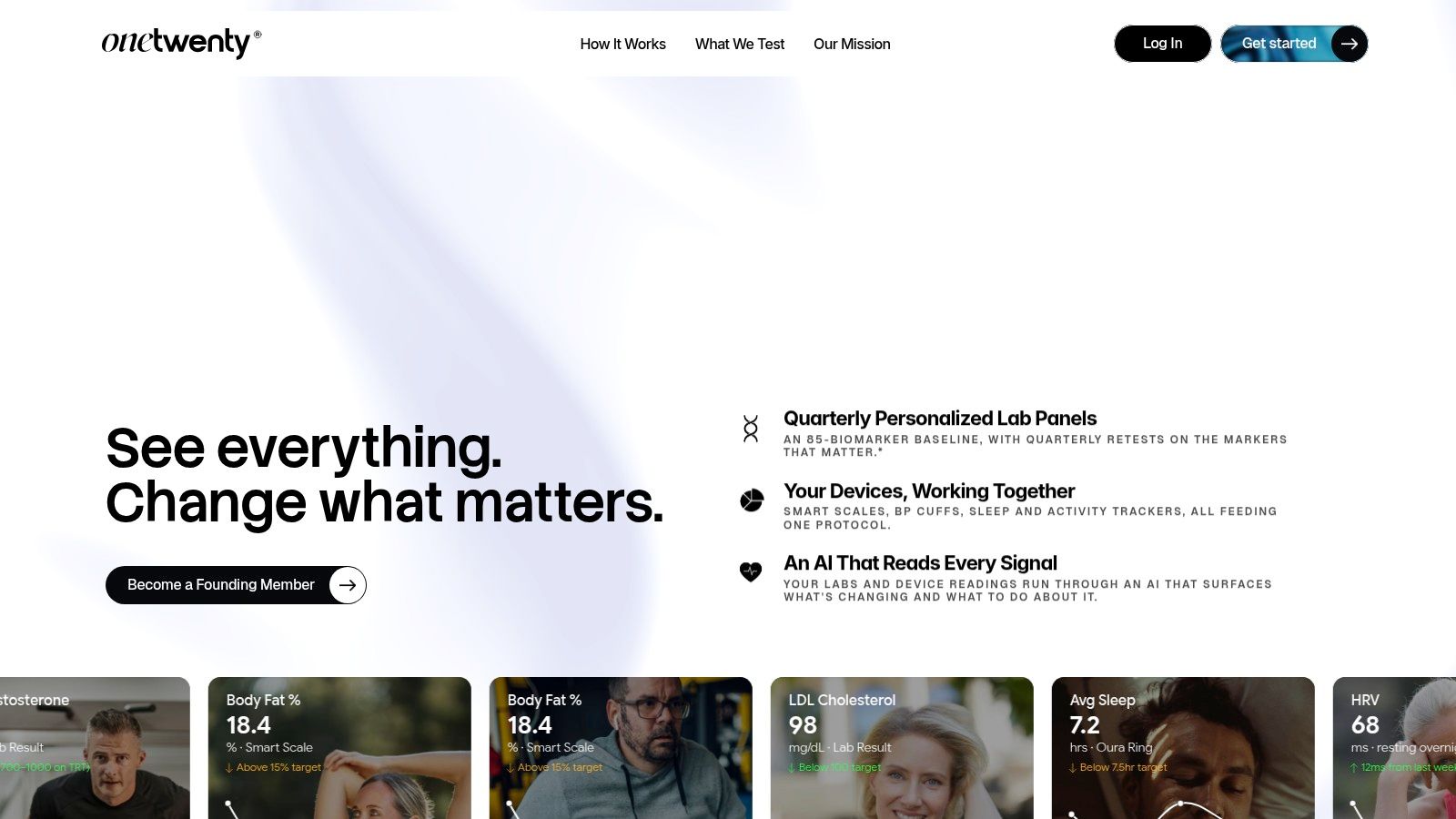
That's the core of the longevity paradox. Emerging research describes a pattern in which lifespan rises without matching gains in healthspan, leaving people alive longer but with more disability. The same research argues that generic recommendations are inadequate without accessible, real-time biomarker monitoring such as epigenetic clocks, metabolic markers, and HRV, because people need personalized feedback to make proactive decisions about healthspan optimization, as discussed in this review on the monitoring gap in longevity care.
Why generic advice stalls
“Eat better, move more, sleep well” is directionally correct. It's also incomplete.
A quantified approach matters because people respond differently. One patient's glucose becomes unstable after poor sleep. Another sees blood pressure rise during work stress despite good exercise habits. Another trains hard but never recovers because total load exceeds capacity. Without data, those patterns stay hidden. With data, they become modifiable.
What a modern healthspan dashboard should include
The most useful system combines continuous signals with periodic deeper testing.
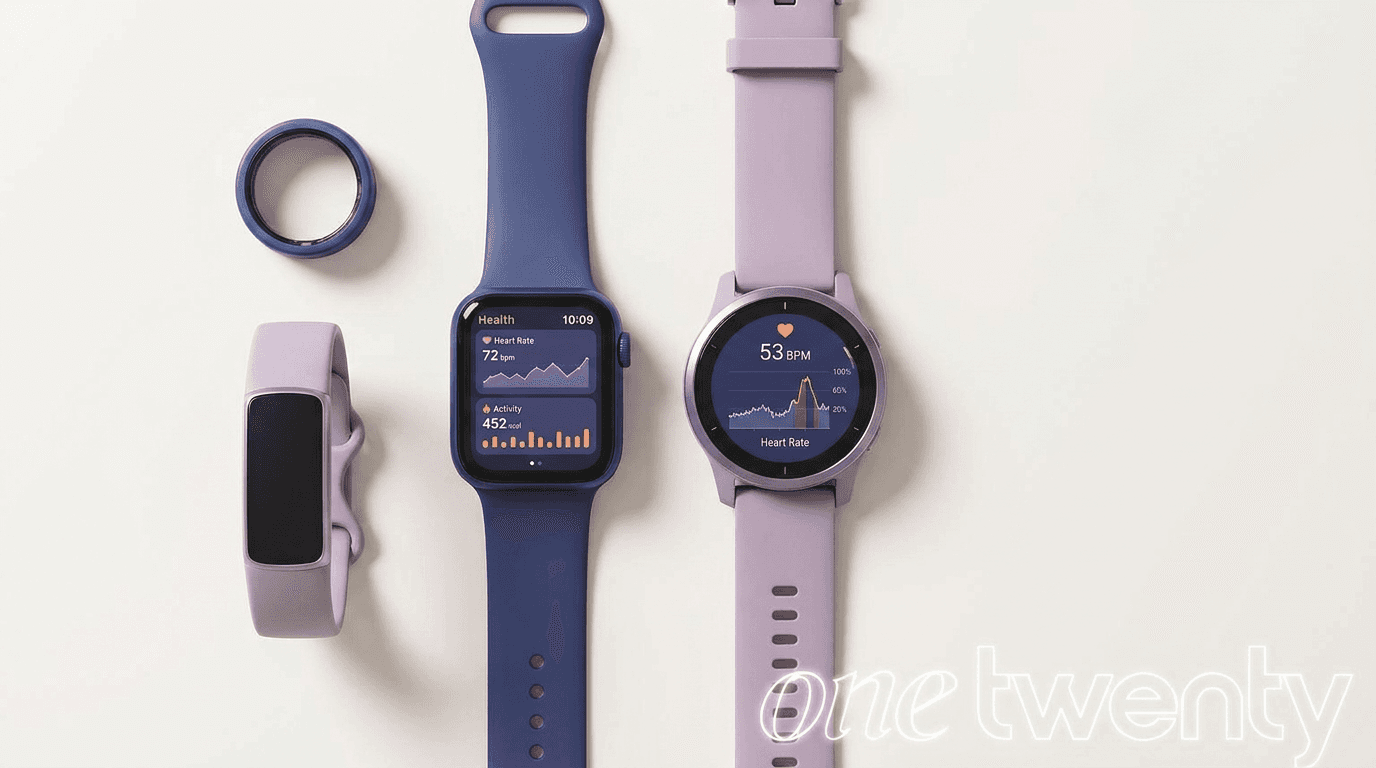
Wearable data: Sleep duration, sleep quality, resting heart rate, HRV, activity load, and recovery trends.
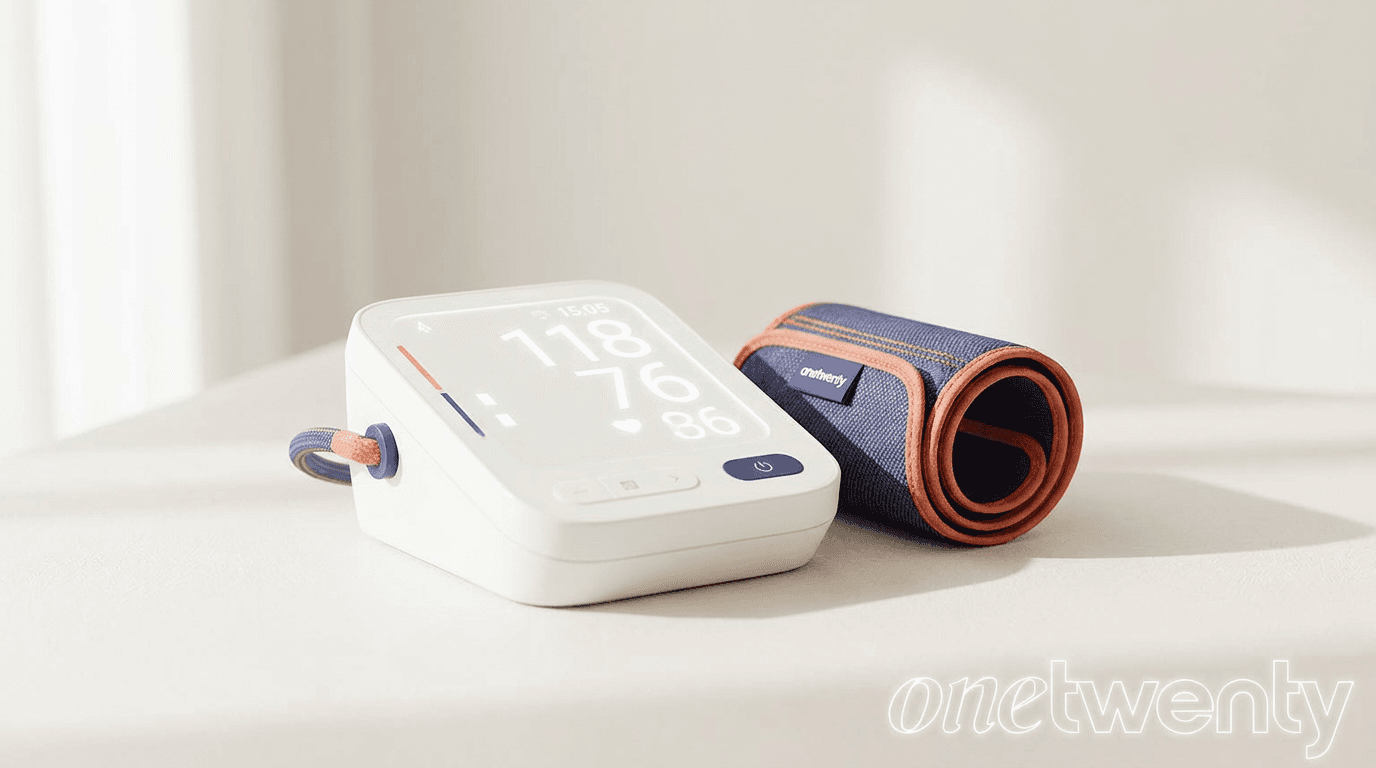
Home metrics: Blood pressure, body weight, and body-composition changes when available.
Periodic biomarkers: Lipids, HbA1C, glucose-related markers, inflammatory markers, and other labs relevant to your risk profile.
Context: The key isn't raw data volume. It's seeing relationships among behaviors, symptoms, and biomarkers.
A practical example is glucose response. Continuous tracking can reveal whether meals, sleep disruption, or training choices are destabilizing metabolic control in ways a single fasting lab draw may miss. For readers exploring that angle, this explanation of continuous glucose monitoring benefits shows why dynamic data can change everyday decisions.
The engineering mindset
This is the mental model most high performers already use in work. Measure inputs, monitor output, adjust the system, repeat.
Applied to biology, that means you stop relying on annual snapshots and start watching trajectories. You're no longer asking whether a biomarker is barely “normal.” You're asking whether your physiology is becoming more resilient, less inflamed, and more metabolically flexible over time.
That's the difference between passive wellness and active healthspan management.
Your Action Plan for Proactive Longevity Optimization
A good healthspan plan is cyclical. You assess, intervene, remeasure, and refine. That rhythm matters more than any single tactic.
Start with a baseline
Get enough data to understand your current terrain. That usually includes core labs, blood pressure, body composition, and the daily signals you already collect from devices like Apple Watch, Oura, WHOOP, or Garmin if you use them.
Don't chase novelty first. Find the biggest constraint first. For one person, that's glucose instability. For another, it's high blood pressure, poor sleep, or loss of muscle and recovery capacity.
Track what changes week to week
Continuous data makes patterns visible before disease becomes obvious.
Look for repeatable relationships. Does travel crush sleep and HRV? Does alcohol affect next-day recovery? Do certain meals create unstable energy and appetite? Do hard training blocks improve fitness or just accumulate fatigue? These are healthspan questions because they reveal whether your system is adapting well or drifting.
Intervene with precision
Make targeted changes based on the pattern, not on what's trending online.
That may mean changing meal composition, progressing resistance training, tightening sleep timing, adding blood-pressure monitoring, or discussing medications and supplements with a clinician. If you're sorting through the supplement and peptide side of the longevity conversation, this PepFlow guide to peptides is a useful overview of the field and the questions worth asking before trying anything.
Re-test and keep the loop going
A plan only counts if it changes outcomes you can measure.
Recheck the metrics that mattered at baseline. Keep the ones improving. Replace the ones that aren't. Healthspan improves when feedback becomes routine, not when motivation temporarily spikes.
Frequently Asked Questions About Healthspan
Can you improve healthspan even if you already have a chronic condition
Yes. In clinical practice, healthspan isn't an all-or-nothing state. A person with hypertension, insulin resistance, arthritis, or a prior metabolic diagnosis can still improve functional years by stabilizing the systems that drive decline.
What matters is whether treatment reduces burden and preserves capability. Better blood pressure control, improved glucose regulation, less inflammation, better sleep, stronger muscles, and higher cardiorespiratory fitness can all move someone toward a better aging trajectory, even if a diagnosis already exists.
Do men and women need different healthspan strategies
The principles are similar, but the pattern recognition should be individualized. Women tend to have a larger healthspan-lifespan gap than men, as noted earlier, so symptom burden and function may not map neatly to simple lifespan expectations.
Hormonal transitions, body-composition shifts, bone health, autoimmune burden, and cardiovascular risk timing can alter what deserves closer monitoring. The answer isn't a separate rulebook. It's more precise measurement.
Is biological age more important than chronological age
For decision-making, it often is. Chronological age tells you how many years have passed. Biological age tries to estimate how your body is functioning relative to age-related expectations.
Neither number should be treated as destiny. But biological-age frameworks can be useful when they reflect real physiology and help prioritize action.
What's the simplest way to think about healthspan vs lifespan
Use this grid.
Attribute | Lifespan | Healthspan |
|---|---|---|
Core definition | Total years lived | Healthy, functional years lived |
Primary focus | Survival | Function and independence |
Best question | How long? | How well for how long? |
Main risk | More years with disease | Shorter period of impairment at the end |
What should I measure first
Start with what most often drives long-term decline and what you can follow over time: blood pressure, glucose-related markers, lipid markers, inflammatory markers, sleep, recovery, activity, and body composition.
If the system feels overwhelming, simplify it. Choose a small set of repeatable markers and review them consistently. That's far better than collecting a huge volume of data you never use.
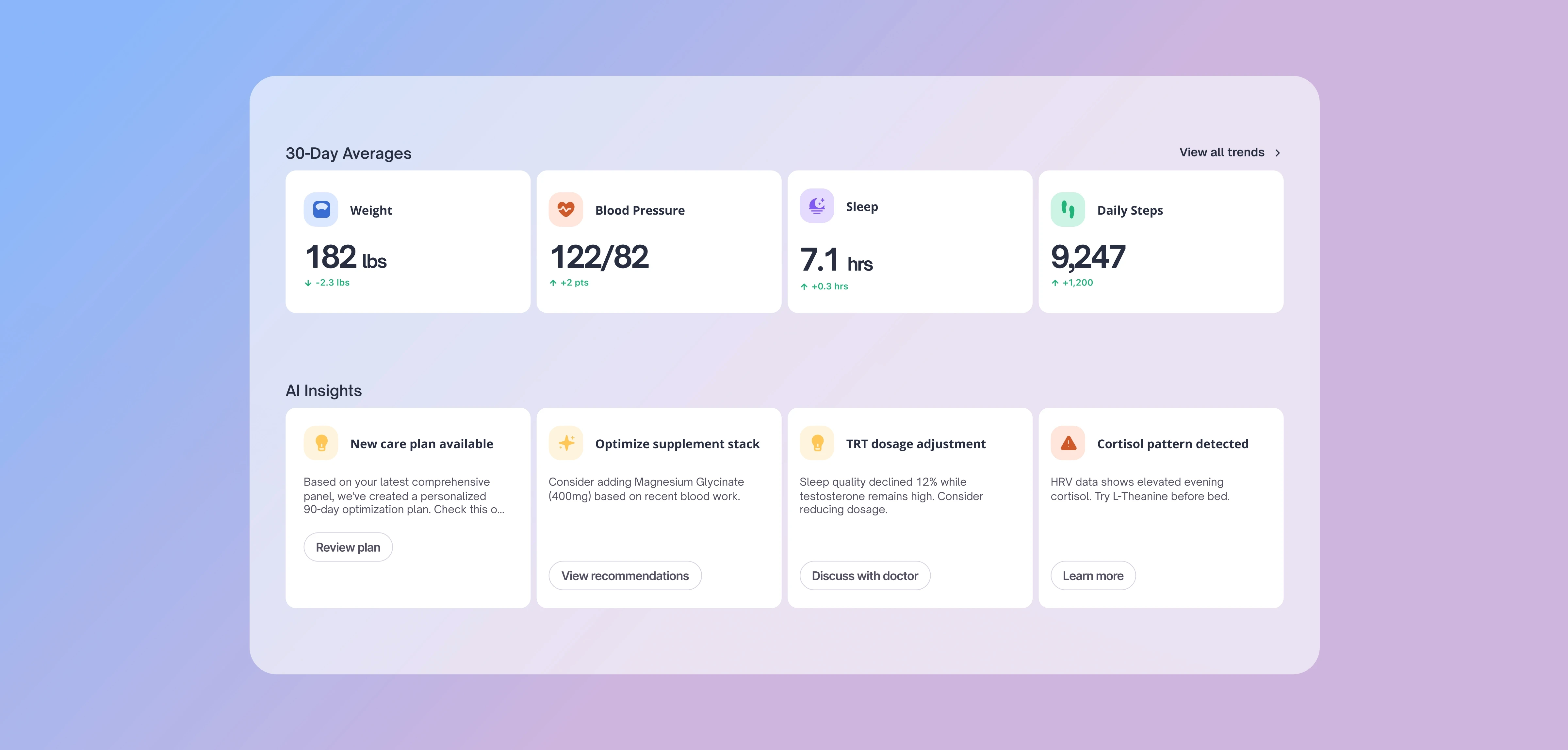
If you want a connected way to turn wearable data, labs, and preventive insight into a single picture of your biology, OneTwenty is built for that job. It brings continuous tracking and personalized biomarker monitoring into one place so you can manage longevity as an ongoing system, not a once-a-year checkup.

How OneTwenty Works
Not your average
Checkup.
Every life stage brings new biological demands. Tracking the right metrics at the right time helps you adapt, optimize performance, and extend both lifespan and healthspan.
Your Annual Physical
Manual Data Processing
Guesswork Trend Detection
Once-a-year physical
Reactive, tested when sick
No data between visits
Once a year testing
Delayed Results
One-size dosing, set and forget
Real-Time Trend Insights
Daily smart-device data
Automated Data Sync
Quarterly Biomarker Tests
Optimal, personalized targets
Plain-language AI insights
Medications titrated to your data
Built to extend healthspan

Frequently Asked Questions
Clarity before
you commit
Answers on setup, scale, and support to remove blockers.